
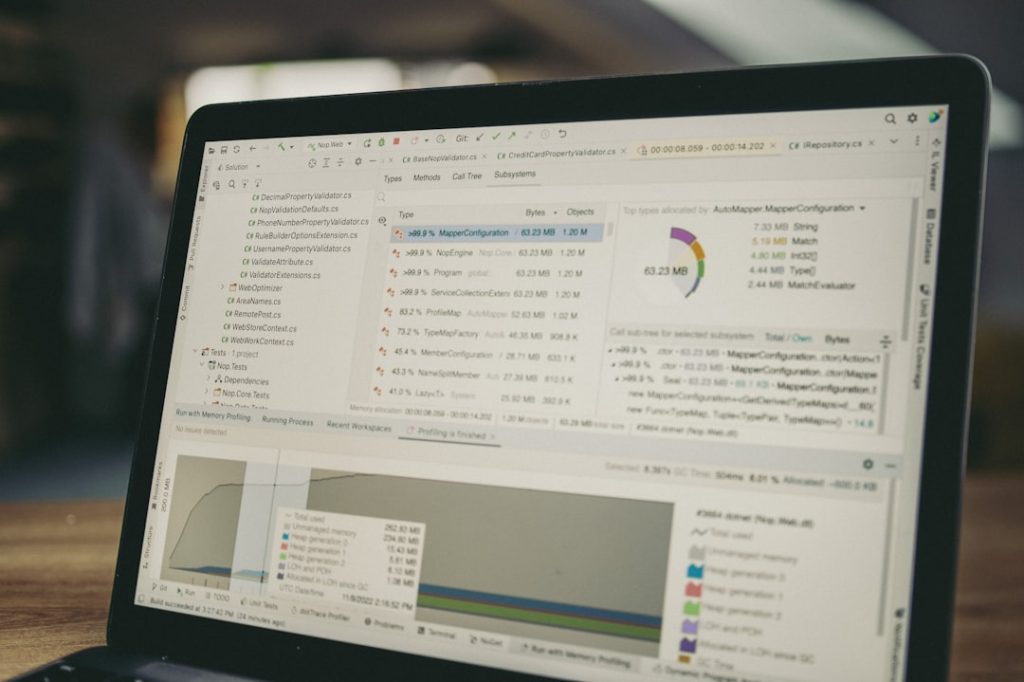
Machine learning models are like cars. They run great on day one. Then the road changes. The weather shifts. Parts wear out. If you do not check under the hood, trouble sneaks up fast.
That is where model monitoring and drift detection tools come in. They watch your models in production. They alert you when data changes. They help you fix problems before users notice.
TL;DR: ML models break silently when data drifts. Monitoring tools detect issues like data drift, concept drift, and performance drops. This article compares 7 popular model monitoring solutions in simple terms. If you run ML in production, you need at least one of them.
Let’s make this simple. No jargon soup. No unnecessary fluff. Just clear facts and helpful comparisons.
What Is Model Monitoring (In Plain English)?
Model monitoring is like a health tracker for your machine learning system.
- Data drift = Your input data changes over time.
- Concept drift = The relationship between input and output changes.
- Prediction drift = Model outputs start behaving differently.
- Performance decay = Accuracy drops slowly or suddenly.
If you do not track these changes, your model may quietly fail for weeks.
That can cost money. Or customers. Or trust.

Quick Comparison Chart
| Tool | Best For | Open Source? | Ease of Use | Enterprise Ready |
|---|---|---|---|---|
| Arize AI | Advanced monitoring & LLM observability | No | High | Yes |
| WhyLabs | Data quality & privacy monitoring | Partial | High | Yes |
| Evidently AI | Open source drift detection | Yes | Medium | Partial |
| Fiddler AI | Explainability & compliance | No | Medium | Yes |
| Superwise | Automated alerts & root cause analysis | No | High | Yes |
| Datadog ML Monitoring | Teams already using Datadog | No | High | Yes |
| Prometheus + Custom | DIY engineering teams | Yes | Low | Depends |
1. Arize AI
Best for: ML teams that want deep visibility with minimal setup.
Arize is a strong all-around platform. It handles:
- Data drift detection
- Model performance tracking
- Embedding monitoring
- LLM observability
- Root cause analysis
The dashboard is clean. Alerts are flexible. It works well with modern ML stacks.
It shines with large production systems. Especially when models update often.
Pros:
- Very polished UI
- Strong drift visualizations
- Great for generative AI monitoring
Cons:
- Enterprise pricing
- Not open source
If your ML system is business-critical, Arize is a safe bet.
2. WhyLabs
Best for: Monitoring data quality and preventing silent failures.
WhyLabs focuses heavily on data. Because most model failures start there.
It tracks:
- Schema changes
- Feature drift
- Data integrity
- Privacy risks
One nice feature? Strong data profiling right out of the box.
WhyLabs connects well with open source tools like WhyLogs.
Pros:
- Strong data monitoring
- Privacy-aware features
- Easy onboarding
Cons:
- Less focus on deep explainability
- Advanced features cost more
If your team worries about messy upstream data, this one is worth a look.
3. Evidently AI
Best for: Teams who love open source.
Evidently AI gives you building blocks. Not a fully managed SaaS wall.
You can:
- Generate drift reports
- Create monitoring dashboards
- Run statistical tests
- Customize everything
It is popular with data scientists who want control.
But you must wire pieces together yourself.


Pros:
- Free and open source
- Flexible
- Strong statistical backbone
Cons:
- More engineering effort
- No full enterprise suite by default
This is perfect for startups or research teams with technical muscle.
4. Fiddler AI
Best for: Explainable AI and regulated industries.
Fiddler puts strong emphasis on:
- Model explainability
- Bias detection
- Fairness monitoring
- Governance workflows
Financial services love it. Healthcare teams too.
Why? Because compliance matters more than speed in those fields.
Pros:
- Deep explainability tools
- Supports governance processes
- Enterprise-grade security
Cons:
- More complex setup
- Heavy feature set may overwhelm small teams
If regulators might audit your models, Fiddler is very attractive.
5. Superwise
Best for: Automated issue detection with minimal manual tuning.
Superwise focuses on automation. It watches everything quietly.
Then it alerts you only when needed.
Main strengths:
- Automatic anomaly detection
- Custom alert thresholds
- Root cause tracing
- Strong collaboration tools
The platform feels very operations-focused. Less research. More action.
Pros:
- Strong automation
- Clear alert systems
- Good enterprise integrations
Cons:
- Closed ecosystem
- May hide lower-level control
If your team values practical operations over tinkering, Superwise fits well.
6. Datadog ML Monitoring
Best for: Teams already living in Datadog.
Datadog added ML monitoring to its observability platform.
That means:
- Unified dashboards
- Logs + infra + models in one place
- Shared alert pipelines
You do not need another vendor. That is a big plus.
Pros:
- All-in-one visibility
- Strong infrastructure context
- Mature alerting system
Cons:
- Not ML-native first
- May lack deep data science features
If your DevOps team already pays for Datadog, this can be an easy win.
7. Prometheus + Custom Stack
Best for: Hardcore engineering teams.
You can build your own monitoring pipeline using:
- Prometheus for metrics
- Grafana for dashboards
- Custom drift scripts
- Statistical libraries
This approach is powerful. But it takes time.
You must:
- Define drift logic
- Create alerts
- Maintain infrastructure
- Update everything manually
Pros:
- Full control
- No vendor lock-in
- Cost flexibility
Cons:
- High maintenance
- Requires experienced engineers
- No plug-and-play magic
This is best for companies with strong platform engineering teams.
How to Choose the Right One
Ask yourself four simple questions:
- How critical are your models?
If revenue depends on them, go enterprise. - Do you have platform engineers?
If yes, open source might work. - Are you in a regulated industry?
If yes, prioritize explainability and audit trails. - Are you running LLMs?
Not all tools handle embeddings and prompt monitoring well.
There is no perfect tool. Only the right fit.
Final Thoughts
Deploying a model is not the finish line. It is the starting line.
Data changes. Users change. Markets change.
Your model must adapt. And before it adapts, it must be observed.
A good monitoring solution gives you:
- Confidence
- Early warning signals
- Operational clarity
- Business protection
The good news? The tooling ecosystem is now mature.
No more blind deployments. No more silent failures.
Choose wisely. Monitor constantly. Sleep better.