Driving more efficiently not only helps the environment but also keeps more money in your pocket. One of the simplest ways to improve your vehicle’s fuel economy is by understanding the optimal speed at which to drive. Although this may sound easy to achieve, finding and maintaining the best speed for fuel efficiency involves considering various factors relating to aerodynamics, engine performance, and road conditions.
TL;DR: The ideal speed for the best fuel economy generally falls between 45 and 65 miles per hour, depending on the vehicle. Driving above this range rapidly increases wind resistance and fuel consumption. Modern cars often achieve peak efficiency just below highway speeds. Staying consistent with throttle input, minimizing unnecessary acceleration, and using cruise control on flat terrain can further enhance your gas mileage.
Understanding Fuel Efficiency and Speed
Fuel economy refers to how far a vehicle can travel using a specific amount of fuel, typically measured in miles per gallon (MPG). Many drivers assume that higher speeds mean shorter travel times and thus lower overall fuel consumption. However, the physics of vehicle motion, engine efficiency, and aerodynamic drag tell a different story.
As speed increases:
- Aerodynamic drag increases exponentially. Doubling your speed requires roughly four times more energy to overcome wind resistance.
- Engine efficiency can drop off past certain RPM ranges, depending on the vehicle’s gear ratios and powerband.
- Rolling resistance and tire friction also climb, although not as aggressively as wind resistance.
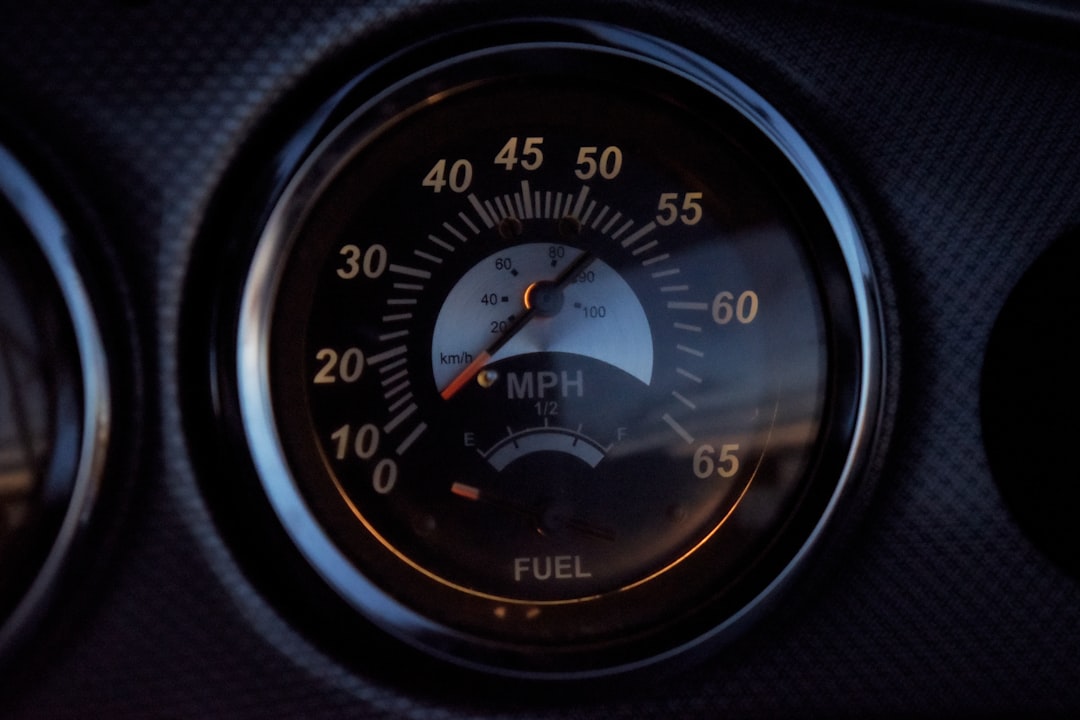
As a general rule of thumb, most cars and trucks achieve peak fuel economy between 45 and 65 mph. However, the exact optimal speed will depend on your specific vehicle, terrain, and driving habits.
Vehicle Design and Its Influence
Different types of vehicles have differing optimal fuel-efficient speeds, largely based on their weight and aerodynamics.
- Compact Cars: These vehicles typically reach peak MPG around 50 to 60 mph due to low weight and aerodynamic shape.
- SUVs and Trucks: Larger and less aerodynamic, these vehicles tend to get the best economy at the lower end of the spectrum, often around 45 to 55 mph.
- Hybrids and Electric Vehicles: Sophisticated engine management systems allow hybrids to extend their efficiency range well into the 65 mph zone. EVs, while not impacted by fuel in the traditional sense, also experience efficiency losses at high speeds due to drag.

The 50 MPH Benchmark
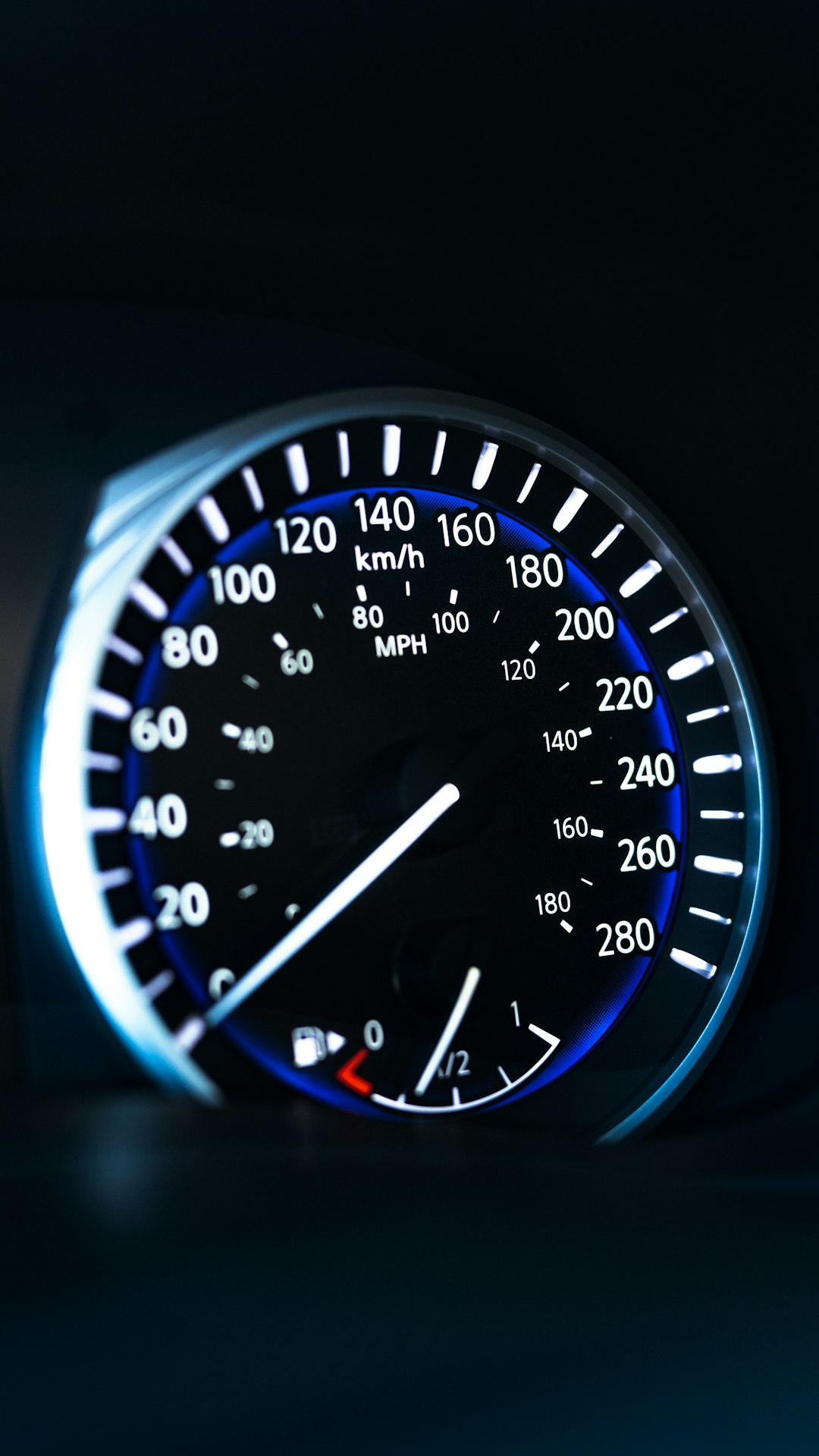
Numerous studies, including those conducted by the U.S. Department of Energy, have shown that fuel economy generally worsens beyond 50 miles per hour. In fact, for every 5 mph driven over 50 mph, it’s estimated that drivers pay an additional $0.20 to $0.40 per gallon in fuel cost, assuming current fuel prices. These additional costs stem from wind resistance and increased engine workload.
At slower speeds, the engine operates without needing high RPMs, helping to improve overall efficiency. Most modern internal-combustion vehicles are designed with fuel economy standards optimized for this moderate pace in mind.
Cruise Control and Consistency
Driving at a steady pace has a significant impact on fuel efficiency. Frequent acceleration and braking waste fuel and reduce MPG.
Key benefits of using cruise control include:
- Maintaining a consistent speed, which improves fuel economy
- Reducing throttle input irregularities
- Lowering driver fatigue, which can reduce erratic speed changes
However, note that cruise control should be avoided in hilly terrain where it may cause the vehicle to downshift unnecessarily or accelerate uphill in a less-efficient manner.
Fuel Efficiency and Urban Driving
While highway driving generally yields higher MPG numbers due to fewer stops, driving speed within urban settings also plays a crucial role. Accelerating aggressively between stoplights or maintaining higher than necessary speeds within city limits drains fuel quickly.


Best practices for urban fuel economy include:
- Accelerating gently and smoothly
- Coasting to stoplights instead of hard braking
- Maintaining lighter throttle inputs between 25 to 40 mph
If your vehicle is equipped with start-stop technology, ensure it’s enabled to avoid idling losses typically associated with city driving.
Technology Tools That Help
Today’s vehicles often come with built-in tools and features that can assist drivers in finding and maintaining the most fuel-efficient speed:
- Real-Time Fuel Economy Displays: Many dashboards display current MPG to help drivers adjust speed accordingly.
- Eco Modes: Manufacturer-installed drive modes optimize throttle response, shift patterns, and other metrics to improve fuel economy.
- Tire Pressure Monitoring Systems (TPMS): Low tire pressure increases rolling resistance, decreasing fuel efficiency, especially at high speeds.
Ensuring your car is in peak mechanical condition, especially the drivetrain and tires, can further enhance results. Scheduled maintenance such as oil changes, air filter replacements, and spark plug servicing also contribute significantly to engine efficiency.
Influence of Weather and Terrain
External environmental factors also influence the speed at which your fuel economy peaks:
- Cold Weather: Engines take longer to reach operating temperature, and cold air increases aerodynamic drag.
- Wind Conditions: Headwinds create additional resistance past 50 mph, while tailwinds might temporarily offset the penalty of higher speed.
- Hilly Terrain: Accelerating uphill is fuel-intensive; using momentum and gravity smartly can help retain efficiency.
In such scenarios, moderating your speed even further and avoiding aggressive throttle behavior can preserve fuel economy.
Electric Vehicles and Speed Efficiency
For electric vehicles (EVs), although not reliant on fuel, speed dramatically affects range. At higher speeds, battery drain increases due to aerodynamic inefficiencies, similar to gas-powered vehicles. Most EVs see their ideal range efficiency between 30 and 50 mph.
This nuance is why EV manufacturers often quote highway range at speeds around 55 to 60 mph. Going noticeably higher can cause range to dip below expected levels, especially if cabin climate systems are also in use.
Conclusion: The Optimal Zone
Enhancing fuel efficiency isn’t just a matter of driving slower — it’s about driving smarter. Understanding that your car has a sweet spot — usually somewhere between 45 and 65 mph — can lead to considerable savings over time. Once you identify your vehicle’s most efficient speed range (from specifications or real-time MPG data), you can adjust your driving habits accordingly.
Consistent driving, proper maintenance, and smart use of technology all contribute to better fuel economy. When in doubt, remember that each additional mph over your car’s ideal range quickly diminishes MPG and increases costs — economically and environmentally.