In today’s ever-evolving wearable tech market, smartwatches have emerged as one of the fastest-growing segments. As consumers prioritize health tracking, connectivity, and convenience, demand for smartwatches continues to soar. Among the top contenders in this lucrative space are Apple, Samsung, and Huawei. In this article, we delve into smartwatch sales trends and market insights for these leading brands, helping you understand who is winning, who is catching up, and what the future holds.
TL;DR
Apple continues to dominate the global smartwatch market, driven by its loyal ecosystem and feature-rich Apple Watch lineup. Samsung holds strong in second place, showing consistent growth with innovations in its Galaxy Watch series. Huawei, while facing international challenges, shows strong performance across Asia and Europe. Consumer preferences, pricing strategies, and geographic reach play key roles in shaping these trends.
Apple: The Unquestionable Leader
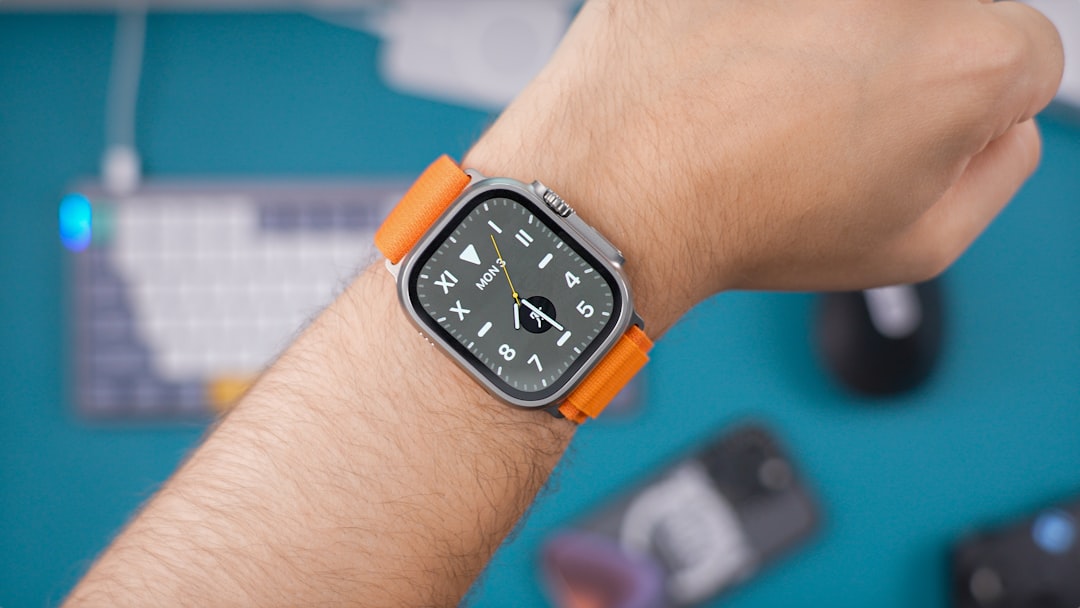
Apple has been the pioneer in the premium smartwatch category since the launch of the first Apple Watch in 2015. According to market research from Counterpoint and IDC, Apple commands around 30-35% of the global smartwatch market share as of 2023, far ahead of its closest competitors.
Key drivers of Apple’s smartwatch dominance include:
- Ecosystem integration: Apple Watch works seamlessly with iPhones, AirPods, and other Apple services like Fitness+ and Health.
- Health and safety features: Advanced features like ECG, blood oxygen monitoring, fall detection, and more make the Apple Watch a compelling healthcare companion.
- Product variety: The launch of lower-priced models like the Apple Watch SE has made the product accessible to a broader audience.
Even in a plateauing smartphone market, Apple Watch sales continue to climb. While the company doesn’t break out specific units sold in its earnings reports, estimates suggest over 50 million Apple Watches were shipped globally in 2022—and that number continues trending upward.
Samsung: Resilience Through Innovation
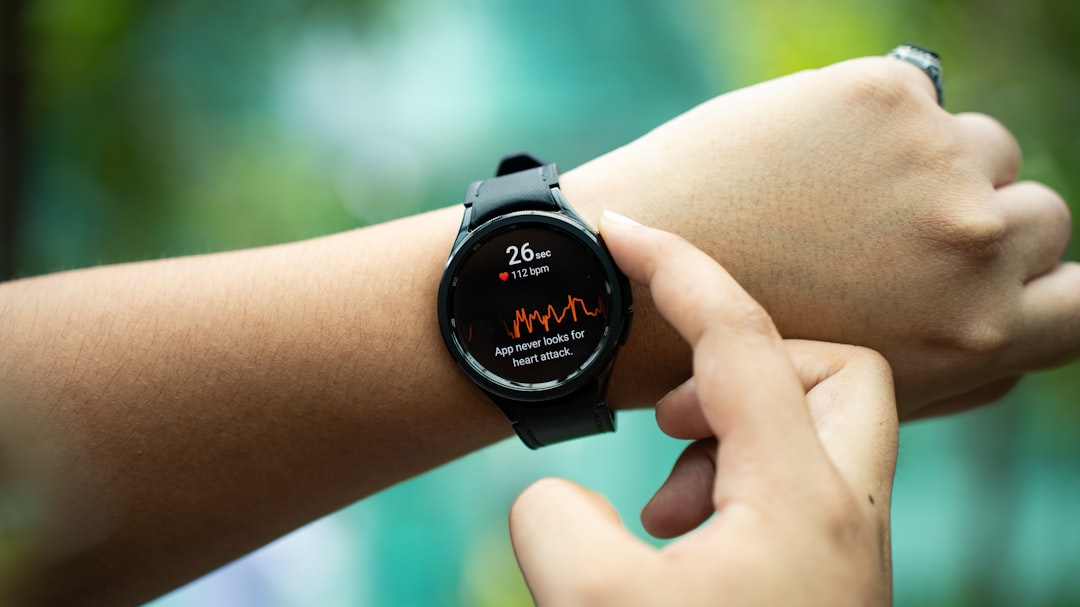
Samsung has carved out a strong position with its Galaxy Watch series, becoming the second-largest smartwatch vendor globally. As of 2023, Samsung holds a market share of about 10-12% worldwide. It’s particularly dominant in regions like Europe and North America.
What sets Samsung apart?
- Dual OS strategy: Initially using Tizen OS and now transitioning to Wear OS powered by Google, Samsung leverages the best of both ecosystems.
- Robust health tracking: Features like body composition analysis, ECG, and blood pressure monitoring rank the Galaxy Watch among the more advanced wearables.
- Broad compatibility: Unlike Apple, Samsung’s smartwatches support Android devices widely, expanding its potential user base.
Samsung’s smartwatch sales have shown steady growth, boosted by strong promotional campaigns, bundling with smartphones like the Galaxy S series, and a design aesthetic that appeals to both men and women. The Galaxy Watch 5 and Watch 6 series were particularly praised for their sleek design, improved battery life, and enhanced fitness capabilities.
Huawei: Regional Powerhouse with Global Aspirations
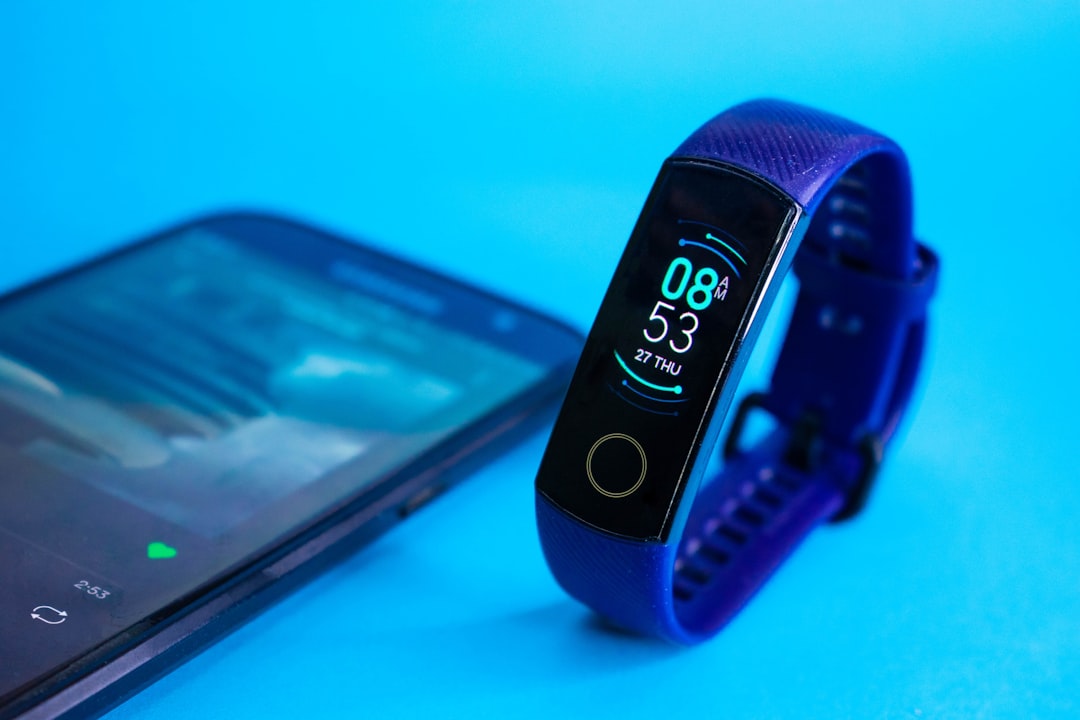
Though it may not be as dominant in the U.S. market due to regulatory restrictions, Huawei has become a strong player in regions such as Asia, the Middle East, and parts of Europe. The Chinese tech giant holds about 7-9% of the global smartwatch market, often jumping to second place in terms of shipment volume in its home market.
Reasons for Huawei’s growing success include:
- Affordable pricing: Huawei offers smartwatches at a range of price points, making them accessible to budget-conscious consumers.
- Strong battery life: Many of Huawei’s smartwatches tout battery life that can last up to two weeks—far surpassing Apple and Samsung.
- Localized strategy: Huawei focuses heavily on regional tastes and frequently collaborates with local carriers and retailers.
Despite facing issues with compatible apps and limited access to Google services, Huawei is investing heavily in its own HarmonyOS platform and is slowly building an ecosystem to rival the big players.
Smartwatch Market Growth Trends
The global smartwatch market has seen a CAGR (compound annual growth rate) of over 12% in the past five years. In 2022 alone, over 120 million smartwatch units were shipped globally. Apple, Samsung, and Huawei together account for more than half of all smartwatch shipments worldwide.
Primary drivers of this growth include:
- Increased consumer focus on health and wellness
- Desire for extended connectivity beyond smartphones
- Improved smartwatch affordability and accessibility
- Rising demand from developing markets
What Consumers Want: Insights & Shifting Preferences
As smartwatch technology matures, consumers have grown more discerning. Comfort, style, and personalization options now play a more prominent role in buying decisions. Health monitoring features remain a top priority, but battery life, screen size, and the watchface design are also influential factors.
Interestingly, the gap between premium and budget smartwatch segments is narrowing, as consumers in developing regions look for affordable devices with basic health features. Huawei and Xiaomi have capitalized on this trend, threatening premium brands’ dominance in emerging markets.
Challenges & Opportunities in the Smartwatch Space
Challenges:
- High competition from emerging brands like Garmin, Fitbit, and Amazfit
- Privacy concerns related to health data collection
- Platform fragmentation and interoperability issues
Opportunities:
- Enhanced AI integration into fitness and health tracking
- Expansion in the healthcare and insurance sectors
- Improved battery technology and low-power processors
Forecast: What Lies Ahead?
Analysts project that the smartwatch market will reach over 200 million units in annual sales by 2027. As Apple invests in non-invasive glucose monitoring and Samsung explores deeper AI integration, the innovation pipeline remains strong.
Huawei, despite geopolitical hurdles, continues to innovate with features like long-lasting batteries and native fitness coaching. If it expands its global HarmonyOS reach, Huawei could close the gap even further with Apple and Samsung.
Conclusion
In the battle of smartwatches, Apple reigns at the top, with Samsung as a strong contender and Huawei as a rising star. Each brand brings unique strengths to the table, tailored to different audiences and regions. While Apple boasts unmatched ecosystem integration and innovation, Samsung challenges with versatility and style. Meanwhile, Huawei thrives on a mix of affordability and regional strategy.
With the wearable technology market growing year over year, it’s clear that the race is far from over. As consumer needs evolve and technologies advance, the strategic moves made by these industry giants will define the future of our wrists.
Published on February 6, 2026 under .
