In recent months, the term “Camegle” has surged in popularity across search engines, social media, and tech forums. While it may sound like just another trending digital platform or tool, the underlying reasons for its rise are significantly more complex—and more revealing about broader societal trends—than they initially appear.
TL;DR
Camegle is a platform that combines AI chatbots and real-time anonymous interactions, reminiscent of early 2010s chat services but powered by modern technology. It’s trending due to its unique fusion of nostalgia, artificial intelligence, and a desire for unfiltered human connection in a heavily curated online world. Critics warn of privacy concerns and the risk of inappropriate content. Whether it’s a fleeting trend or a long-term cultural shift remains to be seen, but its impact is already noteworthy.
What Is Camegle?
At its core, Camegle is a portmanteau of “camera” and “Omegle,” drawing clear inspiration from the now-defunct anonymous video-chat platform that allowed users to talk to strangers. Camegle takes that blueprint and upgrades it with artificial intelligence, optional video capabilities, and a slew of algorithms that personalize interactions based on user behavior.
Unlike Omegle, which thrived on total randomness, Camegle puts a subtle algorithmic twist on its matches. Users are more likely to be paralleled with people—or bots—who share their interests or interaction style. This balance between unpredictability and personalization is one of the platform’s primary innovating features.
Why Is It Trending?
To understand why Camegle is trending, you have to zoom out and analyze several intersecting trends in modern digital behavior:
- Nostalgia Revival: Many digital platforms are capitalizing on early internet nostalgia. Camegle echoes the chaotic, unfiltered essence of earlier platforms like Omegle and Chatroulette.
- AI Fascination: With public interest in generative AI tools like ChatGPT and Midjourney skyrocketing, Camegle taps into the zeitgeist by merging social interaction with AI-assisted experiences.
- Desire for Anonymity: In contrast to overly curated social media feeds, Camegle offers a temporary escape from digital pretense. Its anonymous design allows users to engage genuinely (or ungenuinely, which is equally popular) without fear of long-term consequences.
- Curiosity and Virality: Word-of-mouth from platforms like TikTok and Reddit have amplified Camegle’s reach. User-generated clips of bizarre or amusing conversations give outsiders a glimpse into the unpredictable nature of the platform, sparking curiosity.
The Role of Artificial Intelligence
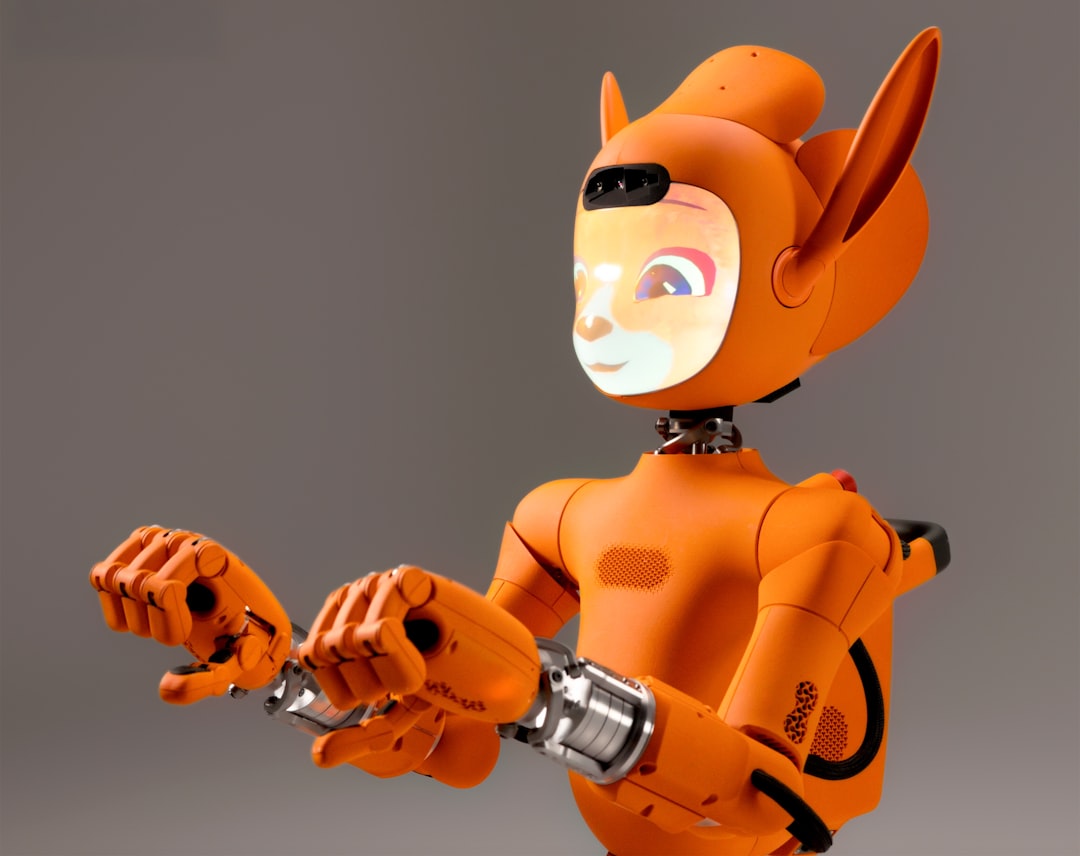
One of the major differentiators of Camegle is its integration of AI-driven bots in tandem with live user interactions. Depending on your settings, there’s a possibility that the person you’re chatting with isn’t a person at all but an AI designed to mimic interactive behaviors.
These bots are programmed to simulate nuance, adopt emotional tones, and even escalate or de-escalate conversations. Users can also choose to chat with AI personas rather than real people, which has led to interesting psychological implications:
- Safe experimentation: People are using AI chats to explore difficult topics—mental health, sexuality, interpersonal confrontation—without judgment.
- Emotional offloading: Much like venting to a therapist, some users use the platform to talk through personal issues because the AI offers non-reactive but supportive feedback.
- Entertainment: Custom AI personalities offer improvisational interactions, pranks, and occasionally, the absurdist humor that’s made the platform’s clips go viral.
By blending real humans and AI partners under a veil of anonymity, Camegle effectively blurs the line between genuine social interaction and performance art.
The Psychological Drivers of Its Popularity
The sudden rise of Camegle also holds a mirror up to our shifting psychological and cultural priorities.
1. The Craving for Unfiltered Human Connection
Traditional social media has evolved into a terrain of highlight reels. While these platforms offer connectivity, they often lack authenticity. Camegle thrives on the unpredictable—whether humorous, confrontational, or heartfelt. Users never know what experience they’ll get when they log on, which makes every interaction refreshing.
2. Controlled Vulnerability
Interacting as an anonymous entity gives users permission to be vulnerable without the fear of social repercussions. It’s the digital equivalent of sharing a deep thought with a stranger at an airport—a fleeting moment of raw human connection.
3. It’s “Safe-Dangerous” Fun
There’s an element of modern thrill-seeking in exploring Camegle. While settings can filter out inappropriate content, users still wrestle with the adrenaline of not knowing who—or what—might show up on the screen. This adds to the platform’s addictive quality.
Image not found in postmetaRisks and Ethical Concerns
Of course, with any trend comes scrutiny, and Camegle is no exception. Despite its innovative model, it’s not without substantial criticism from cybersecurity experts and digital ethicists alike.
Privacy and Data Usage
While Camegle claims to anonymize user metadata, there’s legitimate concern about the storage and potential misuse of recorded conversations, especially when AI is involved. Critics warn that the platform could become a surveillance tool if bad actors exploit its technologies.
Exposure to Inappropriate Content
Although Camegle implements moderation algorithms and community reporting tools, controversial and explicit interactions still occur. Younger users, if left unsupervised, can be exposed to material unsuitable for their age group.
Deception by AI
Another challenge is AI misrepresentation. Since users are not always informed that they may be speaking to a bot, psychological boundaries can become blurred. Some users report developing emotional attachments to AI personas, leading to concerns about manipulation and dependency.
The Cultural Significance
Whether Camegle fades into digital obscurity or becomes a permanent fixture, its rise symbolizes a unique cultural crossroads. It embodies:
- Our ongoing fascination with artificial intelligence
- A collective longing for authenticity in digital spaces
- The blurred ethics of entertainment and mental health support
In many ways, Camegle is less about the platform itself and more about what it reflects. It’s a mirror to our loneliness, our creativity, our digital morality, and our collective search for meaning in an increasingly algorithm-driven world.
Is This Just a Fad?
Camegle’s future remains uncertain. The platform is still in its relative infancy, with current popularity largely driven by TikTok highlights, Reddit threads, and tech blogger reviews. Whether it can sustain that attention without evolving or addressing major ethical challenges remains to be seen.
That said, the unique formula Camegle taps into—mixing AI, anonymity, and nostalgia—is incredibly potent. Even if the platform itself diminishes, it’s very likely that other services will adopt its core concepts in some form.
Conclusion
Camegle isn’t just another internet oddity—it’s a fascinating lens into the modern psyche, powered by algorithmic magic and an insatiable hunger for meaningful digital encounters. It offers a raw, often chaotic, experience that defies the polished norms of mainstream social media. Whether it becomes the blueprint for future social interaction or a stark reminder of the risks inherent in merging AI with anonymity, one thing is clear:
Camegle is trending not just because it’s new, but because it speaks to something deeply human.
Published on February 4, 2026 under .
