Data can predict what people will click. It can spot fraud. It can recommend movies. But can it carve steel? Yes. With the right tools, data becomes parts. Real, physical, machined parts. This article is your simple playbook for turning numbers into chips, and chips into products.
TLDR: Data science and CNC machining work great together. Data helps you design better parts, choose the right tools, and reduce waste. Sensors and analytics improve quality and speed. When you treat machines like data generators, you unlock smarter manufacturing.
Let’s break it down. Slowly. Simply. And with a little fun.
Step 1: Understand the CNC World
If you are a data scientist, you live in code. CNC machines live in motion. They cut, drill, mill, and shape material. Usually metal or plastic. They follow instructions called G-code.
Think of a CNC machine as a robot with a spinning knife. It reads lines of code. It moves in X, Y, and Z directions. It removes material with extreme precision.
Your job? Turn data into better instructions.
Here’s what you should know first:
- Tolerances matter. We are talking microns.
- Material behavior changes. Steel is not aluminum.
- Heat is the enemy. It warps parts and kills tools.
- Time is money. Faster cycles mean lower costs.
Before modeling anything, learn the language of machinists. Spend time on the shop floor. Listen. Ask questions. Watch chips fly.
Step 2: Treat Machines Like Data Factories
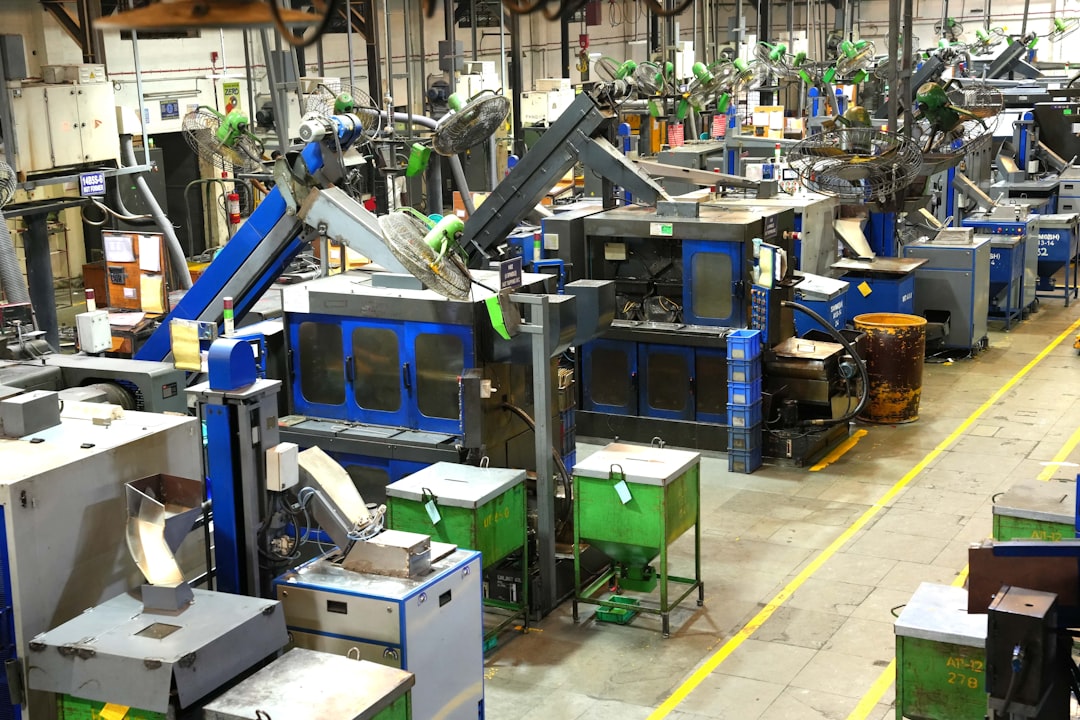
CNC machines are not just tools. They are data factories.
Modern machines generate:
- Spindle speed data
- Feed rate data
- Vibration signals
- Temperature readings
- Tool position logs
- Error codes
This is gold for a data scientist.
You can pull this data from:
- Machine controllers
- IoT sensors
- MES systems
- Quality inspection systems
Start by asking a simple question: What problem are we solving?
Common goals include:
- Reducing scrap
- Predicting tool wear
- Optimizing cycle time
- Improving surface finish
- Preventing machine downtime
Pick one. Start small. Iterate fast.
Step 3: From CAD to CAM to Code
Every machined part begins as a digital model. Usually a CAD file.
That model contains geometry. Dimensions. Tolerances.
Then comes CAM software. It converts geometry into toolpaths. Toolpaths become G-code.
You can add value here.
For example:
- Optimize toolpath efficiency using simulation data.
- Predict deflection based on geometry.
- Suggest better cutting parameters.
You can build models that answer questions like:
- Will this thin wall vibrate?
- Will this pocket trap heat?
- Is this feature too deep for the selected tool?
This is where physics meets data.
Finite element simulations generate training data. Combine that with historical machining results. Now you have a feedback loop.
Design. Simulate. Machine. Measure. Learn. Repeat.
Image not found in postmetaStep 4: Make Tool Wear Predictable
Tool wear is a big deal.
When tools wear out:
- Surface finish gets worse.
- Dimensions drift.
- Parts fail inspection.
- Tools break.
Traditional shops change tools on a schedule. Smart shops use data.
You can build a predictive model using:
- Spindle load
- Vibration frequency shifts
- Acoustic emissions
- Cutting time per tool
Label historical data. Mark the exact point where tools failed. Train a model.
Even a simple regression model can help.
Output can be:
- Remaining useful life estimate
- Probability of failure in next cycle
- Recommended tool change window
This reduces scrap. It prevents crashes. It saves money.
And it makes you a hero on the shop floor.
Step 5: Optimize Cutting Parameters
Every CNC job has three key inputs:
- Spindle speed
- Feed rate
- Depth of cut
These variables interact. Change one, and everything shifts.
Too aggressive? Tools break. Too conservative? You waste time.
This is a perfect playground for:
- Design of experiments
- Bayesian optimization
- Reinforcement learning
Run controlled tests. Measure:
- Cycle time
- Surface roughness
- Tool wear rate
- Energy use
Create response surfaces. Visualize trade-offs.
Then recommend parameter sets based on priority:
- Fastest time
- Lowest cost
- Best quality
- Balanced performance
Keep it simple at first. Even linear models help.
Step 6: Close the Loop with Quality Data
Now comes inspection.
Parts get measured using:
- CMM machines
- Laser scanners
- Vision systems
- Manual gauges
This generates dimensional data.
Most shops only use it to pass or fail parts.
You can do more.
Build statistical process control dashboards.
Track drift over time.
Correlate dimension shifts with:
- Temperature changes
- Different operators
- Tool replacements
- Material batches
This is classic root cause analysis.
You are no longer reacting. You are predicting.
Step 7: Embrace Digital Twins
Digital twins sound fancy. But the idea is simple.
A digital twin is a virtual copy of a real machine or process.
It simulates:
- Machine kinematics
- Tool engagement
- Heat buildup
- Material removal
You feed it real data. It mirrors reality.
As a data scientist, you can:
- Calibrate models using live data.
- Simulate what-if scenarios.
- Test new strategies safely.
No broken tools. No scrapped parts. Just smarter decisions.
Step 8: Think in Systems, Not Silos
CNC machining is not just one machine.
It is a system:
- Design
- Planning
- Machining
- Inspection
- Assembly
Data flows across all of it.
Break down silos.
Connect datasets.
Maybe scrap rates increase when design complexity rises. Maybe late deliveries happen when tool inventory drops.
Big insights live between departments.
This is where you shine.
Step 9: Keep Models Practical
It is tempting to build deep learning systems with hundreds of features.
Pause.
Ask yourself:
- Can the team understand it?
- Can they maintain it?
- Does it run fast enough?
Sometimes a simple dashboard beats a complex neural network.
Sometimes a rules engine works better than a black box.
Manufacturing rewards reliability.
Be elegant. But be practical.
Step 10: Communicate Like a Builder
Your audience is not always technical.
Explain models in simple terms.
Use visuals. Use examples.
Instead of saying:
“Our model predicts tool wear with 87% accuracy.”
Say:
“We can now change tools before they fail, and reduce scrap by 15%.”
Speak outcomes. Not algorithms.
The Mindset Shift
Working with CNC machining changes how you think.
You move from pixels to particles.
Every data point represents something physical.
- A vibration in metal.
- A micron of drift.
- A fraction of a second saved.
It feels different. It feels real.
You are no longer just training models.
You are shaping matter.
A Simple Starter Playbook
If you want to begin tomorrow, follow this:
- Visit the shop floor.
- Pick one measurable problem.
- Collect clean, structured data.
- Start with basic analysis.
- Validate results with machinists.
- Deploy small improvements.
- Measure impact.
- Scale slowly.
No hype. No giant transformation project.
Just steady progress.
From Spreadsheet to Spindle
At first glance, data science and CNC machining look worlds apart.
One writes Python.
The other cuts titanium.
But they share something important.
Both are about precision. Both are about optimization. Both reward curiosity.
When you combine them, amazing things happen.
Less waste. Better parts. Happier customers.
And maybe, just maybe, more fun at work.
Because there is something deeply satisfying about this journey.
You start with raw data.
You end with a part you can hold in your hand.
That is magic. Backed by math.
Welcome to the world where algorithms meet aluminum.
Published on February 11, 2026 under .
