When most people think of Minecraft, they picture blocky landscapes, survival mode adventures, and limitless creativity—not choreographed dance numbers and soaring ballads. Yet over the years, the sandbox phenomenon has inspired countless songs, stage adaptations, parody performances, and even full theatrical productions. This has led many fans to ask a surprisingly valid question: Is Minecraft a musical? The answer is more nuanced than a simple yes or no.
TL;DR: Minecraft is not officially a musical, as it was not designed as one by its creators. However, it has inspired numerous musical adaptations, viral songs, fan-made productions, and even live stage performances that resemble musical theater. While the game itself contains music and musical mechanics, it lacks the narrative-song structure that defines traditional musicals. In short, Minecraft isn’t a musical—but it has certainly become musical in many creative ways.
What Exactly Makes Something a Musical?
Before deciding whether Minecraft qualifies, it helps to define what a musical actually is. In theater and film, a musical typically includes:
- A structured narrative told through dialogue and song
- Characters who express emotions through music
- Songs integrated into the plot, not just background music
- Choreography or performance elements
In traditional musicals like Hamilton, The Lion King, or Wicked, songs are essential to storytelling. Remove the music, and the story falls apart.
So how does Minecraft compare?
Minecraft as a Game: Built on Atmosphere, Not Broadway
Image not found in postmetaAt its core, Minecraft is an open-world sandbox game created by Markus “Notch” Persson and later developed by Mojang Studios. Its gameplay centers on exploration, crafting, building, and survival.
Interestingly, Minecraft does feature music—most notably the ambient soundtrack composed by Daniel Rosenfeld (C418). Tracks like “Sweden” and “Subwoofer Lullaby” are beloved by fans worldwide. However, these compositions function as background atmosphere, not storytelling devices.
The music:
- Plays intermittently and unpredictably
- Does not comment on player actions
- Contains no lyrics
- Is not tied to character development
In other words, Minecraft includes music—but not musical theater narrative structure.
The Role of Music Inside the Game
Things get more interesting when we examine in-game mechanics. Minecraft allows players to create music using:
- Note blocks
- Redstone circuits
- Music discs
With enough creativity, players can recreate entire songs—everything from video game themes to pop hits—using redstone-powered note block machines. This interactive musical freedom blurs the lines. The game may not be a musical itself, but it empowers players to create musicals within it.
Still, agency matters. A musical typically guides the audience through a curated experience. Minecraft, by contrast, provides tools and lets players decide the direction.
YouTube Changed the Conversation
If you’ve ever fallen down the rabbit hole of Minecraft YouTube, you know that music plays a massive role in the community.
Some pivotal examples include:
- “Revenge” by CaptainSparklez (a parody of Usher’s “DJ Got Us Fallin’ in Love”)
- “Fallen Kingdom” series (a Minecraft parody saga set to Coldplay-inspired music)
- Original fan-written Minecraft musicals
These productions feature:
- Story-driven lyrics
- Voice-acted characters
- Cinematic animation
- Emotional arcs
Collectively, they resemble animated musical films more than gameplay footage.
This is where confusion arises. Millions of viewers were introduced to Minecraft through musical storytelling. For some fans, their strongest memory of Minecraft isn’t mining diamonds—it’s belting out “Creeper, aw man!”
Stage Adaptations and Live Performances
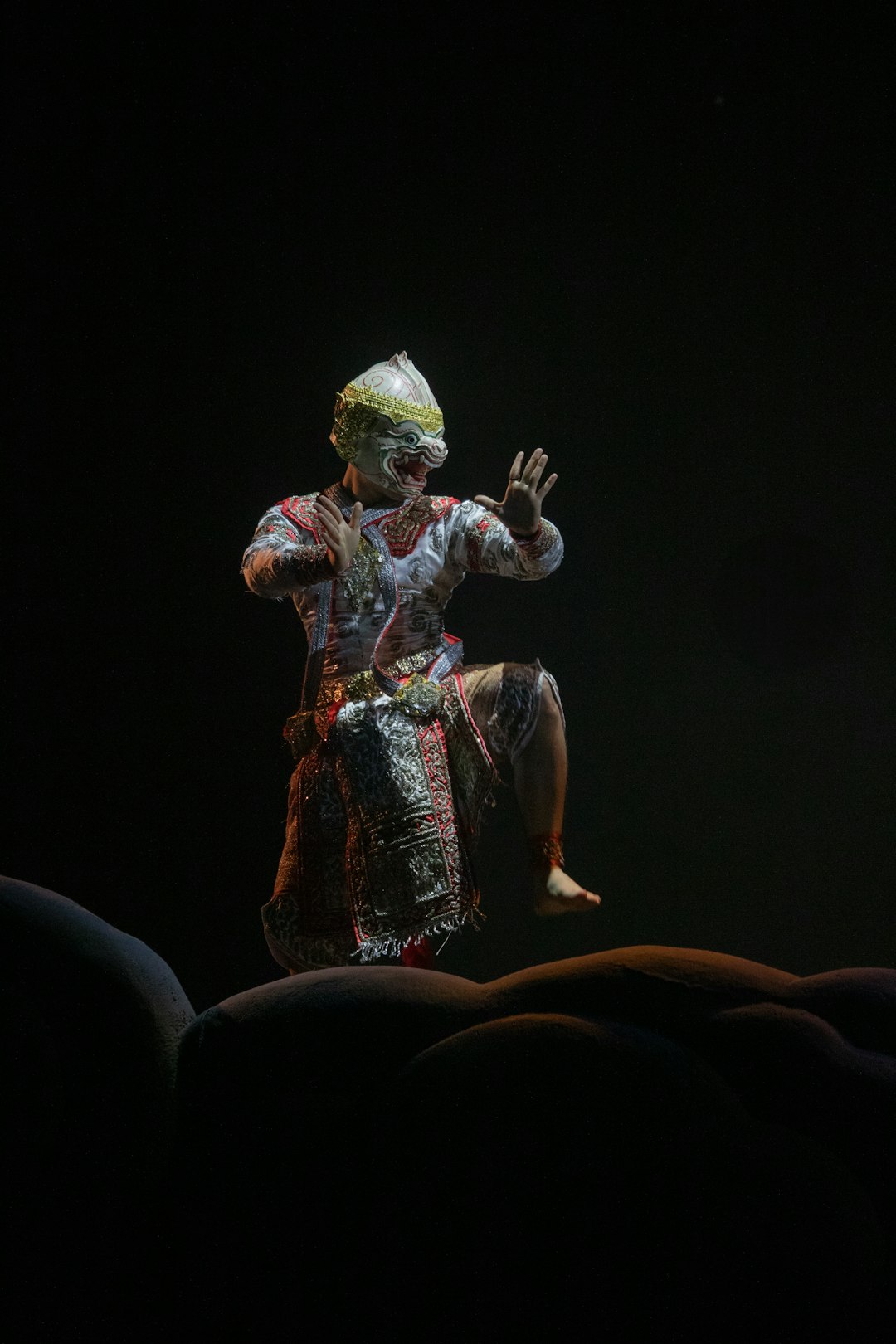
In recent years, schools and community theaters have staged unofficial Minecraft-themed musicals. These productions often:
- Feature original scripts inspired by the game
- Include songs about mining, crafting, and surviving mobs
- Dress actors in block-inspired costumes
- Use projected pixelated backdrops
Though not officially licensed Broadway spectacles, they demonstrate how naturally Minecraft lends itself to theatrical adaptation. The game’s open-ended lore makes it easy to craft hero’s journeys, love stories, or comedic adventures.
However, it’s important to distinguish between inspired by and inherently structured as. Minecraft provides a sandbox—not a script.
What About Minecraft: Story Mode?
Telltale Games released Minecraft: Story Mode, an episodic narrative adventure set in the Minecraft universe. It featured voice acting, structured storytelling, and cinematic cutscenes.
Yet even here:
- No characters burst into song.
- Music remained part of the background score.
- The plot advanced through dialogue and choice-based decisions.
Story Mode proved Minecraft could sustain a linear narrative—but it still stopped short of becoming a musical.
Why Minecraft Feels Like It Could Be a Musical
There are several reasons the idea isn’t as absurd as it sounds:
- Strong Iconography: Creepers, Endermen, and diamond armor are visually theatrical.
- Clear Conflict: Survival versus monsters provides built-in drama.
- Creative Freedom: Players invent stories naturally.
- Emotional Atmosphere: The minimalist soundtrack evokes reflection and nostalgia.
Musicals thrive on heightened emotion, and Minecraft’s quiet isolation—especially during a first night survival experience—can be surprisingly dramatic. Imagine a solo ballad about being lost in a pixelated wilderness as zombies groan in the distance. The theatrical potential is undeniable.
Comparing Minecraft to a Traditional Musical
| Feature | Minecraft | Traditional Musical |
|---|---|---|
| Primary Storytelling Method | Player-driven gameplay | Songs integrated with dialogue |
| Structured Narrative | Optional and emergent | Pre-written and fixed |
| Characters Sing to Advance Plot | No | Yes |
| Audience Role | Active participant | Observer |
| Music Purpose | Atmospheric or player-created | Core storytelling device |
This comparison makes one thing clear: by strict definition, Minecraft is not a musical. Its foundation is gameplay, not performance.
The Cultural Impact of Minecraft Music
Even if it isn’t a musical, Minecraft has had a profound musical influence:
- It launched viral parody music culture on YouTube.
- Its ambient soundtrack achieved mainstream acclaim.
- It introduced younger audiences to creative composition through note blocks.
- It blurred lines between gaming and performance art.
Few video games can claim such a strong connection to fan-generated musical expression. In fact, Minecraft might be one of the most “musically reinterpreted” games in history.
Could Minecraft Become an Official Musical?
Absolutely. The ingredients are already there:
- A globally recognized brand
- Memorable creatures and settings
- A passionate fan base
- Built-in themes of creativity and resilience
A Broadway adaptation could easily follow a new player’s first night, a village under siege, or an epic quest to defeat the Ender Dragon—complete with ensemble numbers for villagers and villain songs for hostile mobs.
Given the success of stage adaptations based on unconventional properties (like SpongeBob SquarePants or Shrek), it wouldn’t be surprising if Minecraft eventually joins the lineup.
Final Verdict: So, Is Minecraft a Musical?
No—at least not officially or structurally.
Minecraft is a sandbox game featuring ambient music and musical tools. It lacks pre-written songs, lyrical storytelling, and choreographed sequences that define the musical genre.
However, the broader Minecraft universe—especially on YouTube and in fan communities—has evolved into something remarkably close to a musical ecosystem. It inspires song-driven storytelling, theatrical experimentation, and creative performance in ways few other games can match.
In that sense, Minecraft may not be a musical—but it is undeniably musical.
And perhaps that’s the most fitting answer. After all, in a world built from blocks, the real magic happens when players decide what it becomes.
Published on March 21, 2026 under .
