So, you’ve heard an artist say they’re “dropping an EP.” But what does that actually mean? Is it an album? A single? Something in between? The world of music releases can feel confusing. Don’t worry. We’ll break it down in a simple and fun way.
TLDR: An EP stands for Extended Play. It’s longer than a single but shorter than a full album. Most EPs have 3 to 6 songs and run about 10 to 30 minutes. Artists use EPs to share new music without committing to a full album.
What Does EP Mean?
EP stands for Extended Play.
The name comes from old vinyl records. Back in the day, there were:
- Singles – usually one or two songs.
- LPs (Long Play) – full albums with many songs.
- EPs – something in the middle.
An EP is longer than a single. But it’s not long enough to be called a full album.
Think of it like a snack. A single is a small bite. An album is a full meal. An EP? It’s a tasty sandwich.
How Long Is an EP?
There’s no strict rule. But there are common guidelines.
Most EPs:
- Have 3 to 6 songs
- Last about 10 to 30 minutes
In the digital music world, platforms have their own definitions.
For example, Spotify and Apple Music often classify a release as an EP if:
- It has 4 to 6 tracks, and
- The total length is under 30 minutes
If it has more tracks or runs longer, it may be labeled as an album.
Still, artists sometimes creatively label their projects. So you may see a 7-song release called an EP. Music rules are flexible.
EP vs LP vs Single
Let’s make this very clear.
Here’s a simple comparison:
| Type | Number of Songs | Length | Purpose |
|---|---|---|---|
| Single | 1–2 | Up to 10 minutes | Promote one main song |
| EP | 3–6 | 10–30 minutes | Showcase a small collection |
| LP (Album) | 8–15+ | 30–60+ minutes | Full body of work |
Simple, right?
Why Do Artists Release EPs?
Great question.
There are many reasons.
1. To Introduce Themselves
New artists often start with an EP. It’s cheaper and faster than making a full album.
It gives fans a taste of their style.
2. To Experiment
An EP gives artists freedom.
They can try a new sound. A new theme. A new vibe.
If fans love it, great. If not, it’s still a smaller project.
3. To Stay Relevant
Music moves fast.
Instead of disappearing for three years to make an album, artists drop EPs in between.
This keeps fans excited.
4. To Tell a Short Story
Some ideas don’t need 15 songs.
Some emotions only need four.
An EP can feel tight and focused.
The History of the EP
Let’s travel back in time.
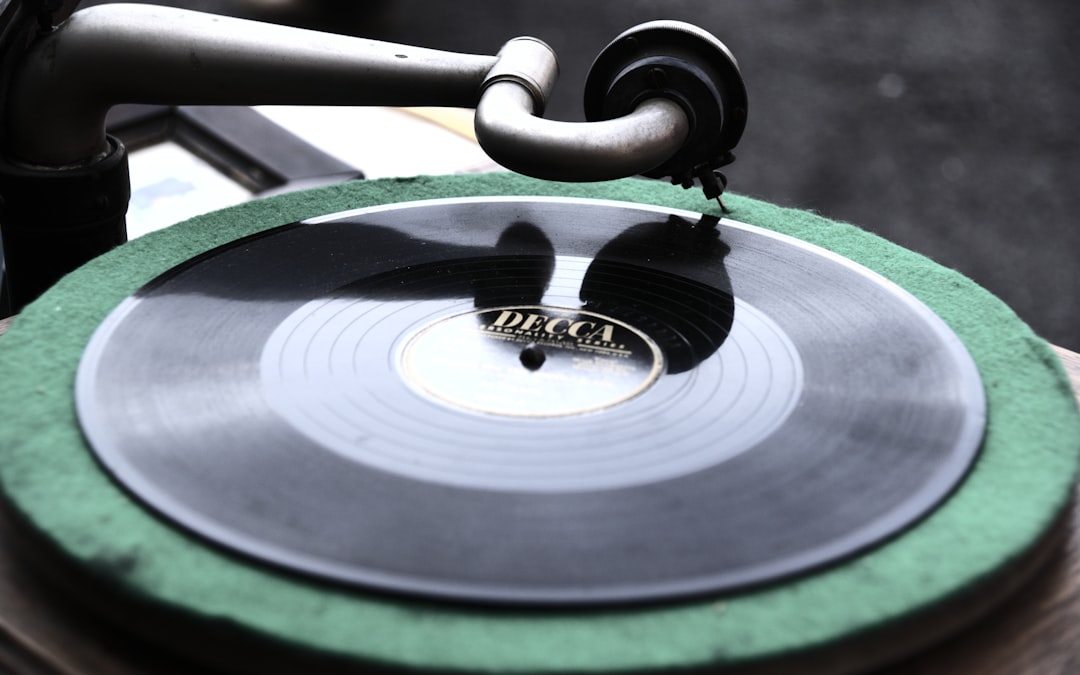
In the 1950s and 1960s, music was released on vinyl records.
There were different sizes:
- 7-inch records for singles
- 12-inch records for albums
EPs were often 7-inch records with more than one song on each side.
They “extended” the play time of a single.
That’s where the name came from.
Over time, CDs replaced vinyl. Then streaming replaced CDs.
But the EP never disappeared.
It simply adapted to new formats.
Famous EP Examples
You’ve probably listened to an EP without realizing it.
Here are some well-known examples:
- “My Dear Melancholy,” – The Weeknd
- “Jar of Flies” – Alice in Chains
- “Collide with the Sky (Acoustic)” – Pierce the Veil
- “Chronic Town” – R.E.M.
Some EPs become huge hits.
They can chart on Billboard. Win awards. Go viral.
Length does not limit impact.
Are EPs Less Important Than Albums?
Not at all.
That’s a common myth.
An EP is not a “mini-album” in a negative sense.
Sometimes, EPs are more creative.
Why?
- Less pressure
- Smaller budget
- More freedom
Fans often love EPs because they are short and easy to replay.
No filler. Just strong tracks.
How EPs Work in the Streaming Era
Streaming changed everything.
Today:
- Artists don’t need record labels to release music.
- They can upload directly to platforms.
- Shorter releases perform well online.
Attention spans are shorter.
An EP fits perfectly into this world.
It’s long enough to feel meaningful.
But short enough to finish in one sitting.
Also, algorithms love frequent releases.
Dropping two EPs in a year can sometimes be smarter than dropping one album every three years.
Can an EP Win Awards?
Yes.
Absolutely.
EPs can:
- Chart on Billboard
- Be nominated for Grammys
- Win major music awards
Some award shows categorize EPs under albums. Others separate them.
It depends on the rules.
How Do You Know If It’s Really an EP?
Sometimes it’s labeled clearly.
You’ll see “(EP)” in the title on streaming platforms.
Other times, it’s based on:
- Total running time
- Number of tracks
- How the artist markets it
But remember. There is no music police.
If the artist calls it an EP, most people accept it.
Should New Artists Start with an EP?
In many cases, yes.
Here’s why:
- It costs less than an album.
- It takes less time to produce.
- It allows room for growth.
- It builds a fan base gradually.
A first EP can act like a business card.
It shows your sound.
Your personality.
Your potential.
Fun Facts About EPs
- Some EPs are entirely acoustic versions of existing songs.
- Some are remix collections.
- Some surprise-drop with no promotion.
- In K-pop, EPs (often called “mini-albums”) are extremely common.
In fact, in certain genres, EPs are more popular than full albums.
Final Thoughts
An EP is simple.
It’s music in the middle.
Not too short. Not too long.
It gives artists space to explore.
It gives fans more than just one song.
But it doesn’t demand a full hour of attention.
In a fast-moving world, that balance is powerful.
So next time your favorite artist announces an EP, you’ll know exactly what that means.
It’s not “just” a small release.
It might be a creative spark.
A new chapter.
Or the start of something huge.
And now, when someone asks, “What is an EP in music?”
You’ll have the perfect answer.
Published on March 20, 2026 under .
